

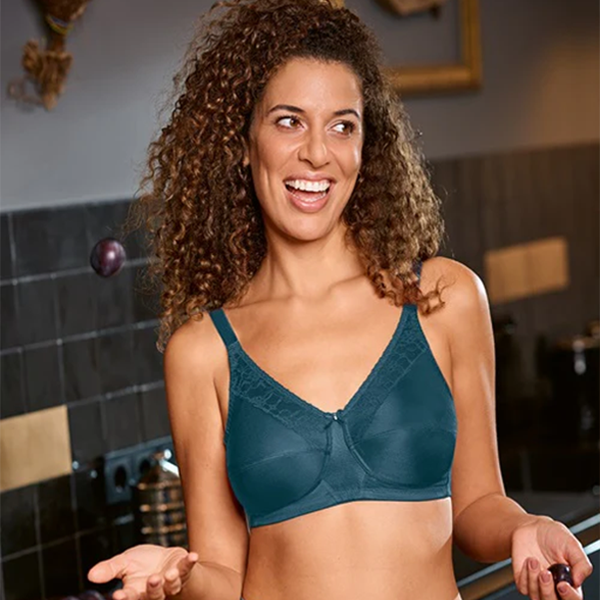
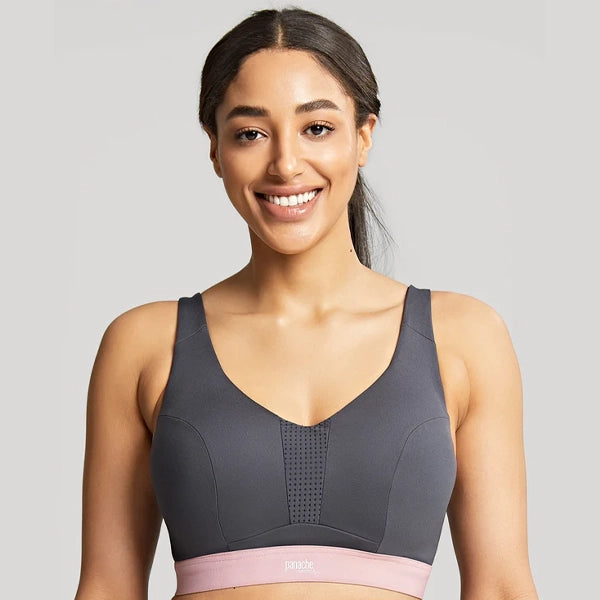
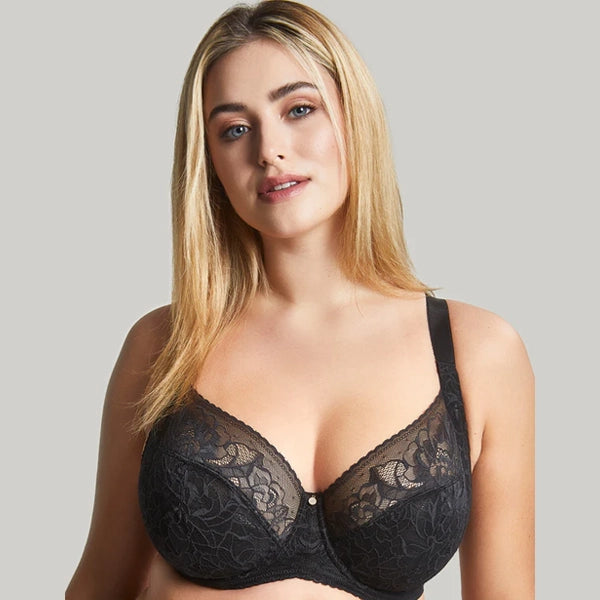
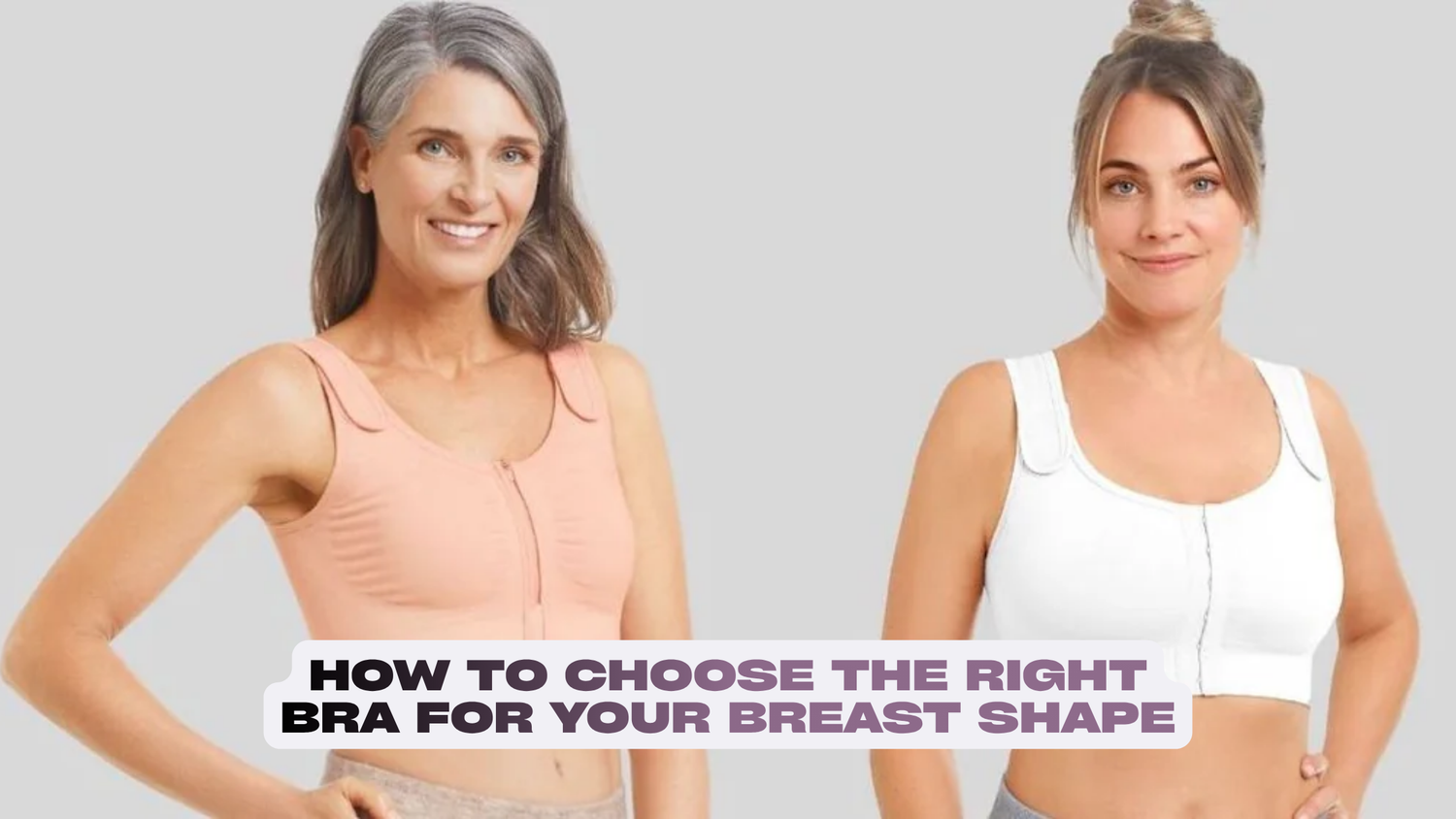
Most women know their bra size, but very few know their breast shape. Yet breast shape is just as important as size when it comes to finding a bra that truly fits. Two women can wear the exact same size and feel completely different in the same bra, because their breast shape determines how tissue sits inside the cup, where the underwire needs to land, and which style provides the right support.
Understanding your breast shape does not require specialist knowledge. Once you know what to look for, identifying your shape is straightforward, and it transforms the way you shop for bras. This guide covers the most common breast shapes, what each means for bra fit, and which styles work best for each.
At Femmeline in Croydon, our experienced team fits women of every shape every day. Shape is one of the first things our fitters assess before recommending a style, and it is one of the most overlooked factors in bra shopping.
Why Breast Shape Matters for Bra Fit
Bra cups are designed with specific shapes in mind. A cup that suits a round, projected breast will not behave the same way on a shallow, wide-set breast of the same volume. The fabric will wrinkle, the underwire will sit in the wrong position, or the cup will gape at the top because the tissue does not fill the space the cup was designed for.
This is why so many women who know their size still struggle to find bras that fit well. Size gives you a starting point. Shape tells you which styles within that size will actually work on your body.
Round Breasts
Round breasts are roughly equal in fullness above and below the nipple. They tend to be naturally projected and hold their shape well without much assistance from the bra structure. This is a shape that most bra styles are designed with in mind, which means women with round breasts generally have the most flexibility in their choices.
Best bra styles:
- T-shirt bras and moulded-cup styles work beautifully, enhancing the natural shape without exaggerating it
- Balconette bras create a flattering lifted look
- Push-up bras add cleavage if desired
- Most standard bra styles fit well, so focus primarily on size accuracy and band fit
East-West Breasts
East-west breasts point outward to the sides rather than forward. The nipples face in opposite directions, and the natural projection of the breast is lateral rather than centred. Standard bras that channel tissue inward and forward can feel uncomfortable or create a pushed-together look that does not feel natural.
Best bra styles:
- Full-cup bras with flexible underwire that follows the natural breast root rather than forcing tissue inward
- T-shirt bras with soft, flexible cups that accommodate the natural outward direction
- Avoid heavily padded push-up styles, which force tissue inward in a way that can feel unnatural and uncomfortable
- Wire-free styles with good side support panels work well for everyday comfort
Close-Set Breasts
Close-set breasts sit near the centre of the chest with very little space between them. The breast tissue starts close to the sternum. Standard bras with a wide centre gore, the panel between the cups, can dig into the chest or push the breasts apart uncomfortably.
Best bra styles:
- Plunge bras with a low, narrow centre gore that sits comfortably between close-set breasts
- T-shirt bras with a flat, minimal centre panel
- Balconette styles with wide-set underwire that does not crowd the sternum
- Avoid styles with a tall, thick centre gore, which will press into the breastbone and cause discomfort
Wide-Set Breasts
Wide-set breasts sit further apart on the chest, with a noticeable gap between them. The breast root extends toward the sides of the body rather than toward the centre. Standard bras may leave a gap at the centre gore or fail to capture all of the tissue, as the cups are not positioned wide enough for the natural breast placement.
Best bra styles:
- Full-cup bras with wide-set underwire that follows the natural breast root
- Side-support styles that gather tissue from under the arm toward the centre
- Balconette bras with a wider cup base that suits the natural spread of the tissue
- Avoid plunge styles with a very low, narrow centre, as they may not hold wide-set tissue in place effectively
Asymmetrical Breasts
Breast asymmetry is far more common than most women realise. It is completely natural for one breast to be noticeably larger than the other. The challenge with asymmetry is that bras are designed for symmetrical sizing, which means you must fit to the larger breast and manage the difference in the smaller cup.
Best bra styles:
- Always fit to the larger breast when choosing size
- Padded or moulded-cup bras allow a small filler pad or chicken fillet to be placed in the smaller cup for balance
- Stretchy, flexible-cup bras that mould to each breast individually rather than a fixed shape can work well for minor asymmetry
- For significant asymmetry following surgery, a partial prosthesis or shaper insert can be placed in the smaller cup for a balanced result
Shallow or Projected Breasts
Breast projection describes how far the breast extends forward from the chest wall. Some women have shallow breasts that sit close to the chest with less forward projection. Others have highly projected breasts that extend significantly forward. Both shapes present specific fit challenges.
For shallow breasts:
A shallow breast often causes gaping at the top of a standard cup because the tissue does not fill the cup depth. Balconette and demi-cup styles work well because they have a shallower cup profile that matches the natural shape. Avoid deep, rounded T-shirt bra cups, which will wrinkle and gape at the top.
For projected breasts:
A highly projected breast requires a cup with significant depth at the front. Full-cup and side-support styles with deep, forward-facing cups provide the best containment. Shallow balconette cups will often result in spillage over the top for projected shapes, regardless of whether the cup volume seems correct.
Soft or Pendulous Breasts
Soft or pendulous breasts have more tissue at the bottom of the cup than the top, and sit lower on the chest wall. This shape is common after pregnancy and breastfeeding, with age, and following significant weight changes. Standard cups that assume an equal distribution of tissue above and below the nipple will often leave a gap at the top of the cup.
Best bra styles:
- Full-cup bras with side support that lifts tissue upward and inward
- Underwire styles where the wire sits beneath all breast tissue, providing a lifting base
- Bras with stretch or flexible upper cup fabric that accommodates lower fullness without gaping at the top
- Avoid balconette and demi styles, which cut across the upper breast and will not contain lower-heavy tissue
The Difference a Shape-Aware Fitting Makes
Understanding your breast shape is genuinely useful, but translating that knowledge into the right bra choice takes experience. Brands vary significantly in how their cups are shaped and structured, and a style that suits one woman with wide-set breasts may not suit another of the same shape due to differences in the cup's design.
This is where a professional fitting makes a real difference. At Femmeline in Croydon, our experienced corsetieres assess your shape as part of every fitting and use that information to select styles that will work specifically for your body. We carry a wide range of brands and styles across all sizes, which means we can compare options and find the right match rather than simply guessing from measurements alone.
If you have spent years feeling like bras never quite fit right, the answer is very likely shape rather than size. Visit us at Femmeline and let us help you find out.
Frequently Asked Questions
Q. How do I identify my breast shape at home?
Stand in front of a mirror without a bra and observe where the fullness of each breast sits, whether the nipples face forward or outward, how close together or far apart the breasts sit, and how much the breast projects forward from the chest wall. These four observations will give you a good sense of your shape. A professional fitter can confirm and refine this assessment during a fitting.
Q. Can breast shape change over time?
Yes. Breast shape changes with pregnancy, breastfeeding, weight fluctuation, ageing, hormonal changes, and surgery. What worked at one stage of life may not work at another. This is why it is worth reassessing both size and shape periodically, particularly after significant life changes.
Q. Why do my bras always gape at the top of the cup?
Gaping at the top of the cup is almost always a shape issue rather than a size issue. It typically means the cup is too deep for your projection, or that most of your tissue sits in the lower half of the cup rather than the upper half. Shallower cup styles such as balconette bras, or styles with flexible upper cup fabric, usually resolve this.
Q. Why does underwire always feel uncomfortable for me?
Persistent underwire discomfort usually means the wire is not following the natural root of your breast. This can happen when the cup is the wrong size, the style does not suit your breast shape, or the wire width does not match the width of your breast base. A shape-aware fitting can identify which of these factors is causing the problem and find a style where the wire sits correctly.
Q. Is breast asymmetry normal?
Yes, completely. The vast majority of women have some degree of breast asymmetry, and for many it is quite noticeable. It is caused by natural variation in tissue development and is not a cause for concern. When buying bras, always fit to the larger breast and use a filler pad or partial prosthesis in the smaller cup if you would like a more balanced appearance.
Q. Where can I get a breast shape assessment and fitting in Melbourne?
Femmeline in Croydon offers private, one-on-one fittings where our experienced team assesses both size and shape before recommending styles. We stock a wide range of brands and cup shapes to suit every breast type. Visit us at 14 Hewish Road, Croydon VIC 3136 or call us to arrange an appointment.
Read more: How to Measure Your Bra Size at Home (Australian Size Guide)



Leave a comment
This site is protected by hCaptcha and the hCaptcha Privacy Policy and Terms of Service apply.